






How an Unsecured Website Affects Your Reputation and Rankings
At a glance:
- Missing SSL certificates, outdated plugins, unprotected forms, and malicious third-party integrations are some causes of an unsecured website.
- An unsecured website reduces trust, impacts authority, and damages your brand’s long-term reputation.
- A website without proper security signals performs poorly on the search engine results pages (SERPs).
- Maintaining strong search performance requires managing security as part of ongoing SEO efforts.
Imagine a potential customer lands on your website. Before they read a catchy headline or view your services, a warning appears: “Not Secure.” In that moment, confidence drops and questions arise about whether the business is legitimate or safe to engage with. In many cases, visitors leave before giving the site a second chance.
Website security is often treated as a technical task handled behind the scenes. In reality, it acts as an instant trust signal. It shapes first impressions, affects credibility and influences how confident users feel when interacting with a brand.
Search engines observe the behaviour as well. When visitors hesitate, disengage or leave early, it affects how a website is evaluated and ranked.
We have prepared this blog to help you understand what makes a website unsecured and how it impacts your reputation and SEO performance.
What is an Unsecured Website?
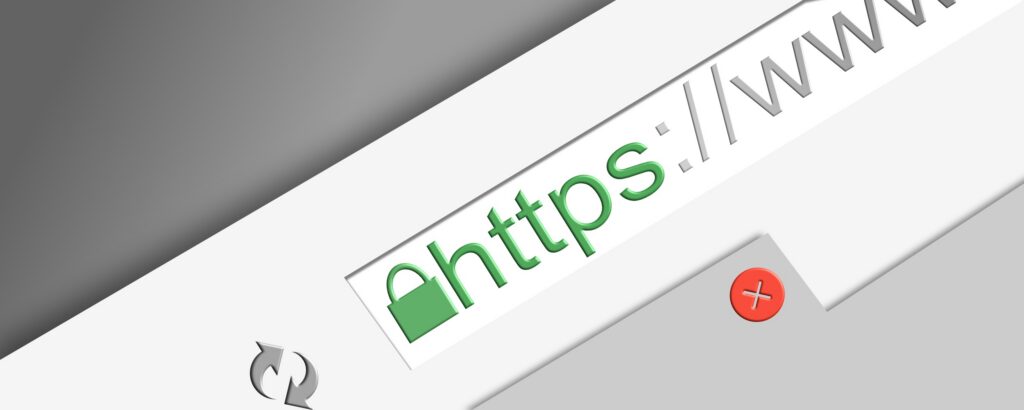
An unsecured website lacks an SSL certificate or HTTPS encryption, leaving information shared between users and the site unprotected. Without this secure connection, data can be intercepted, altered or accessed by unauthorised individuals. This increases the risk of sensitive information being lost, misused or accessed without authorisation.
Website security is not based on one feature or setting. It depends on multiple safeguards working together to protect data while it is shared and stored. When these elements are missing, outdated or nonfunctional, the website’s integrity is compromised.
These weaknesses often indicate broader digital maintenance challenges, such as ageing infrastructure, irregular updates or a reactive approach to website management. Over time, it undermines user confidence and influences how search engines evaluate the website’s reliability.
Factors That Contribute to a Website Being Unsecured
Several underlying factors can leave a website exposed, even when the risks are not immediately obvious. Here are some of the most common ones:
- Missing SSL Certificate: When your website operates without a valid SSL certificate, the connection between the site and your users is unencrypted. This leads to a trust gap, as security warnings and missing trust indicators signal risk to users and search engines. As a result, engagement drops and hesitation increases before any meaningful interaction occurs.
- Outdated Security Software: Websites that use outdated platforms, plugins or security software may be vulnerable to hacks and attacks, increasing the risk of data loss and user privacy breaches. Expired or poorly maintained security measures indicate a lack of consistent oversight and raise concerns about the website’s long-term maintenance.
- Unprotected Forms and Data Collection: Forms that collect user information without adequate protection create direct entry points for security threats like cross-site scripting (XSS) and SQL injection. These weaknesses allow attackers to intercept, manipulate or extract sensitive data.
- Security Risks in Third-Party Integrations: Integrating third-party tools and plugins on your site can introduce vulnerabilities when they are not properly maintained. Insecure APIs, external libraries and embedded services increase a website’s attack surface. This makes it more difficult to manage overall security.
- Deliberately Malicious Websites: Some unsecured websites are created with harmful intent, while others get compromised without the owner’s knowledge. These sites often link to suspicious domains, cause unexpected redirects or trigger aggressive browser warnings.
The Impact of an Unsecured Website on User Trust and Brand Credibility
An unsecured website creates uncertainty at critical moments in the user experience. The following impacts show how unsecured websites undermine user trust and brand credibility.
First Impressions and Trust Signals
When users visit a website, they quickly look for signs of safety and trustworthiness. This evaluation occurs within seconds and often without conscious thought. When security cues are missing, a website can feel unreliable, regardless of how polished its content or design may be.
Users rarely pause to investigate further if doubt is introduced at this early stage. This uncertainty can be attributed to the brand itself, eroding trust before users have a chance to read a headline, explore the service page and recognise the value being offered. Regaining that trust can be difficult, even when the rest of the website appears well-crafted and professional.
Perceived Risk and Brand Authority
An unsecured website raises perceived risk, even if users do not notice any obvious problems. Many visitors view security flaws as a sign of how seriously a business acknowledges responsibility, oversight and user safety.
This perception affects whether the organisation seems trustworthy or established. When these indicators are ignored, brand authority and credibility weaken over time. A site that appears unsecured can subtly weaken operational effectiveness and long-term reliability.
Conversion and Engagement Consequences
Users change their browsing behaviours as a result of the trustlessness that comes with unsecured websites. They might keep browsing, but more cautiously, delaying any engagement or committing to your business. When personal information is requested, like through forms or inquiries, hesitation is most apparent.
These responses rarely include clear feedback. Instead, you will get indications from decreased participation, abandoned conversations, and terminated sessions.
Reduced trust makes it more difficult for your website to convert interest into actual engagement and conversions, even when the content is compelling.
Read More: Why Your Website Traffic Isn’t Turning Into Sales
Long-Term Reputation Impact Beyond the Website
An unsecured website leaves a lasting impression that extends beyond the visit itself. The signals users encounter affect how they remember your brand. This influences whether they will return, recommend your business or interact with you again in the future. Even brief moments of uncertainty can affect how your brand is perceived by potential customers.
Although technical issues can be fixed, restoring user confidence requires time. Brands need to consistently show reliability and security across all digital channels to rebuild their reputation.
How Search Engines Interpret Website Security
Website security directly influences how search engines evaluate and rank sites. The following are key factors search engines consider when assessing website security and its effect on rankings.
Security as a Ranking Signal
Search engines consider website security a factor in their ranking. Google and other search engines prioritise user experience and quality. Thus, factoring in website security makes sure that users do not visit malicious or untrustworthy sites.
Security alone will not help climb the website rankings, but weak or inconsistent security can undermine ranking stability. Search engines crawl through your site to detect unreliable security signals. They reassess the site’s trustworthiness over time, reducing confidence in long-term visibility.
Indirect SEO Consequences
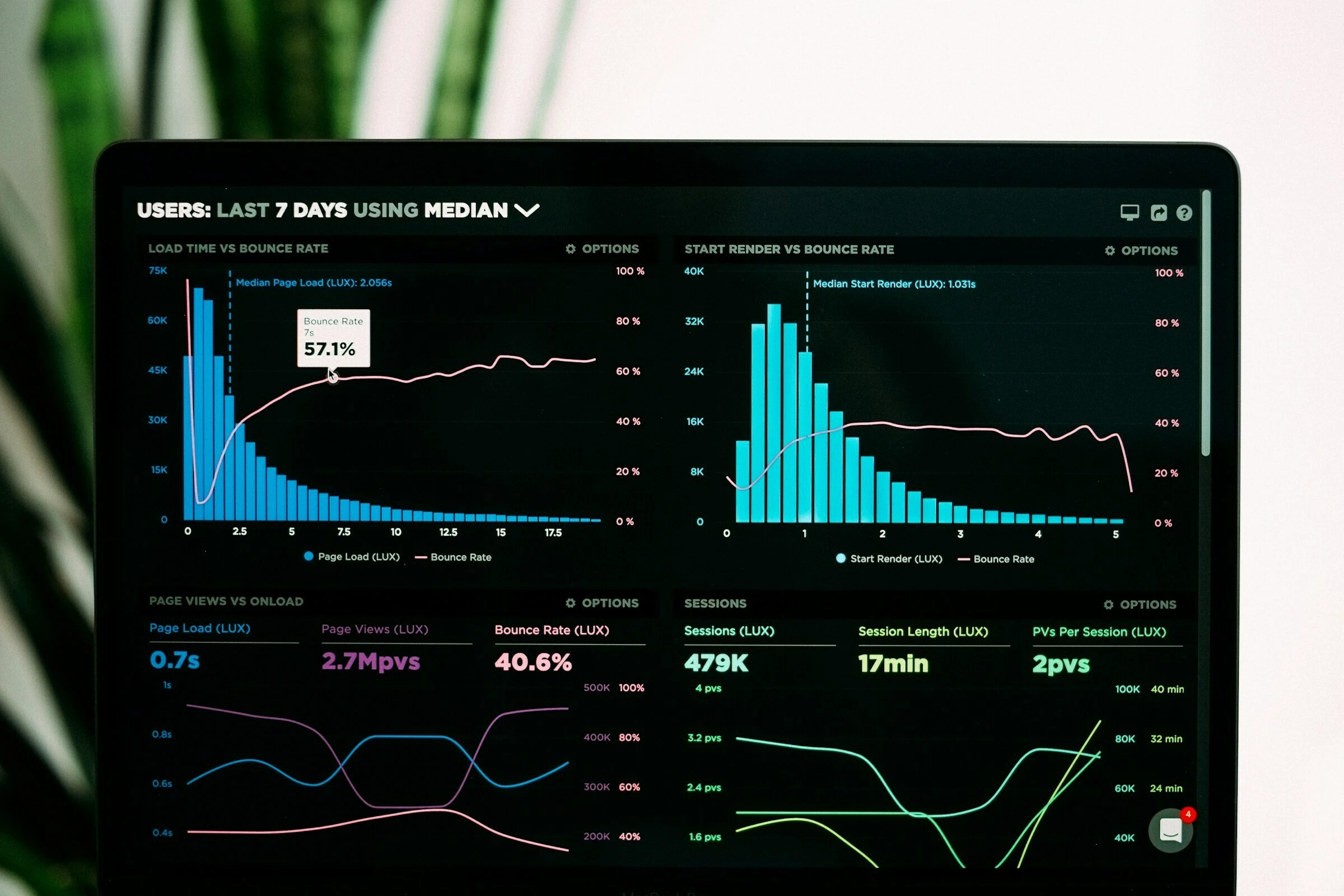
Search engines continually analyse how users interact with websites after clicking search results. Security concerns can cause hesitation, leading users to leave quickly without engaging. If many users leave your site without any engagement, Google and other search engines may perceive the site as low quality or less valuable.
As a result, your website struggles to achieve higher rankings, even though it is valuable to users. Even if your site previously ranked well, a higher bounce rate negatively impacts your site’s rankings and can slowly drive the rankings down.
With reduced exposure on SERPs, there are fewer opportunities for engagement. This further limits the ability to send positive signals to search engines that help maintain rankings.
Crawlability, Indexing Confidence and Technical Trust
Reliable crawling and indexing depend on confidence in the website environment. Search engines may approach page assessment more cautiously if the security signals are unclear. As a result, unclear security signals influence how often content is revisited and how confidently updates are processed.
Over time, this uncertainty impacts consistency. Compromised technical trust can lead to inconsistent indexing, limit reliable page evaluation and affect how website security impacts rankings.
An unsecured website can lead to serious consequences beyond technical risks. If security issues are not addressed, they can limit visibility, reduce engagement and erode visitors’ confidence.
You lose users’ trust from the first interaction, undermining brand credibility. Moreover, visitors leaving your site without taking any meaningful action sends negative signals to search engines. This results in lower SERP rankings and ultimately low conversion rates.
From an SEO perspective, security is closely tied to search trust and performance. At Anxious To Matter, we ensure website security is seamlessly integrated with technical SEO, site governance, hosting and continuous monitoring. Our experienced team helps protect your rankings while keeping your site safe and trustworthy.
Contact us to secure your website and strengthen your online presence.
FAQs
Can an unsecured website affect rankings even if there hasn’t been a security breach?
Yes. An unsecured website can affect rankings even if no security breach has occurred. Search engines evaluate security as part of overall site trust and quality. Weak or inconsistent security signals can erode confidence in a website’s reliability, gradually undermining ranking stability.
Is website security a one-time fix or an ongoing SEO consideration?
Website security is an ongoing SEO consideration, not a one-time fix. Threats, security requirements and search engine expectations evolve constantly, and websites themselves change through updates, integrations and content additions.
How can I resolve issues on an unsecured website?
Issues on an unsecured website are best resolved through a structured review of security, infrastructure and ongoing maintenance processes. Addressing these areas together helps restore trust and ensure security supports long-term search performance.
Will an SSL certificate fix the “not secure” message?
Yes, installing a valid SSL certificate will remove the “Not Secure” message from your website. However, all site resources must also load securely, as misconfigured certificates can still trigger warnings.
How long does it take to install an SSL certificate?
In most cases, an SSL certificate can be installed within a few minutes to a few hours. The exact time depends on the hosting provider, the certificate type and whether any additional configuration or validation is required.
Share
More Insights




Enquire Today
Melbourne Head Office
Suite 38 Level 7/570 St Kilda Rd, Melbourne VIC 3004, Australia
Phone: 1300 780 471
Email: [email protected]